







This article argues that smartphones and social media exploit human attention for profit, creating a "rival god" that undermines Christian devotion and neighbourly love. It highlights cognitive decline, relational harm, and mental health crises, particularly among youth. Mike calls for practical responses: prioritising face-to-face community, building accountability, and establishing phone-free spaces to reclaim undivided attention for God and others.
In an age of doomscrolling and despair, we need a deeper story. History is not only a graveyard of disasters; it is a reservoir of hope. From Equiano to Douglass, Black Christian reformers bore prophetic witness against injustice and called Britain to live up to its own faith. Their legacy reminds us that courage can still change the world.
Freedom of expression in Europe is praised as a cornerstone of democracy, yet it is often applied unevenly—especially when Christians speak clearly about doctrine and moral truth. Scripture frames speech less as a personal entitlement and more as a divine calling to testify with truth and love. In a hostile climate, Christian witness may require courage and costly faithfulness.
Inheritance is both a moral and economic question. Drawing on Biblical principles of stewardship and equality, this piece presents how wealth should serve family and neighbour alike. It proposes a balanced inheritance tax, rewarding responsible provision while curbing excessive hoarding, to encourage generosity, strengthen communities, and reflect a more relational vision of wealth and justice.
Britain's housing crisis demands we rethink the Green Belt. Originally designed to contain urban sprawl, not protect nature, these land restrictions now prevent affordable homes for a generation who face 20 years of saving for a deposit. Biblical justice calls us to "open wide your hand" to the needy, ensuring housing builds community and relationships, not just property portfolios.
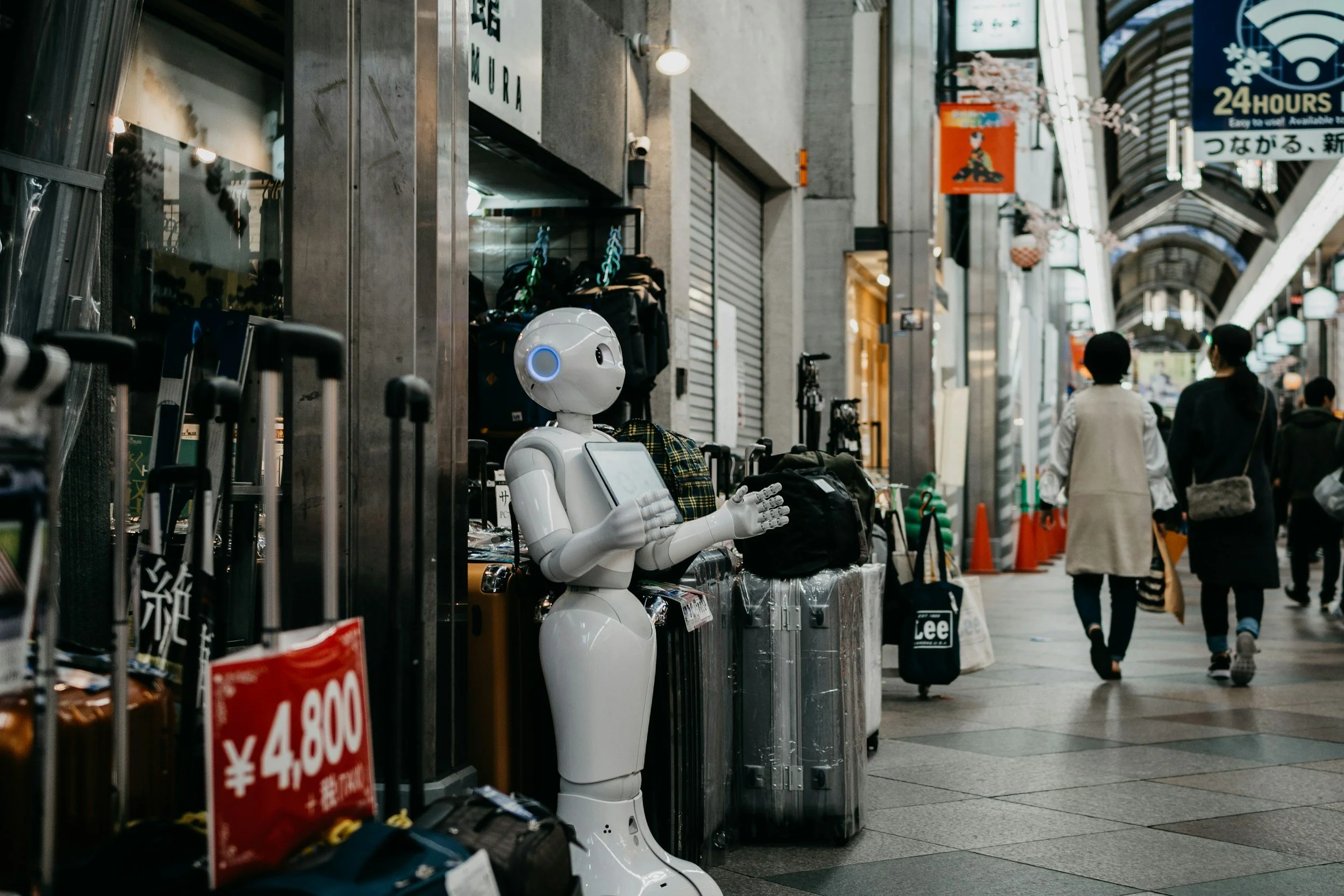
Silicon Valley’s growing talk of “Moloch” reveals a deeper anxiety: artificial intelligence is becoming an impersonal force demanding sacrifice without consent. Unlike past technologies, AI appears to act with a life of its own, mirroring human desires while lacking moral agency. The danger is not demonic possession, but misplaced trust, treating a powerful tool as a relational substitute.
Our vision is to teach Christians the Relational worldview based on its biblical foundations, and its implications for private and public life, so that Christians can more effectively bring about transformation of their societies and demonstrate both the credibility and the heart of the gospel.

